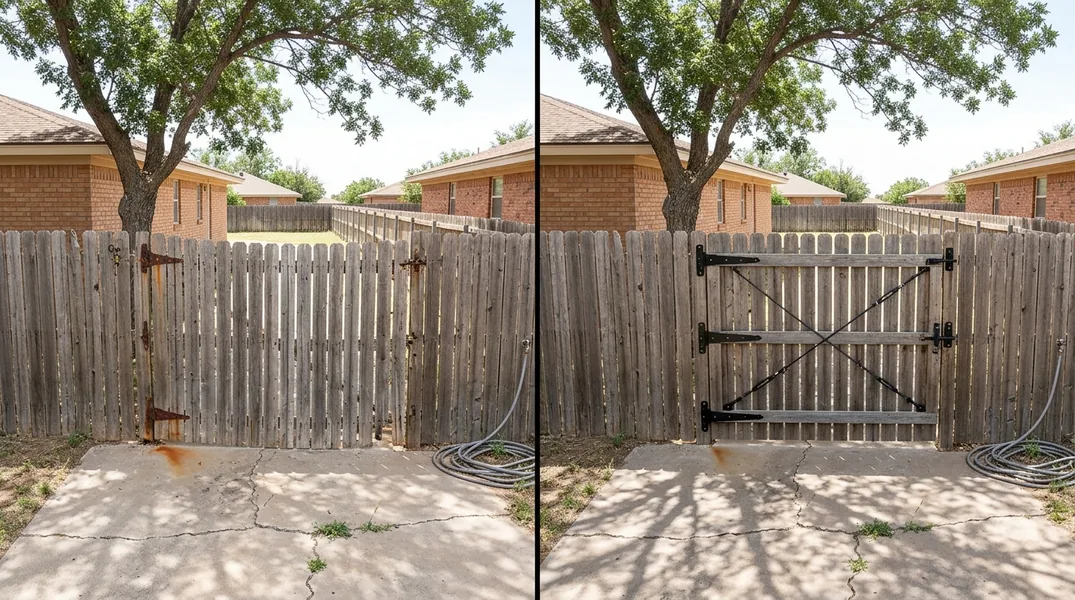
Why Cedar Fences Need Protection in Lubbock's Climate
If you've invested in a beautiful cedar fence for your Lubbock home, you already know how stunning it looks when freshly installed. Cedar's natural warm tones and grain patterns are unmatched, which is why so many homeowners choose it over other materials. However, Wood & Privacy Fence Installation is only half the battle. The real challenge begins after installation, when your fence faces the relentless West Texas climate.
The high plains of Lubbock present unique challenges for wood fences. The region's intense UV radiation, low humidity, and dramatic temperature swings create a perfect storm of conditions that can degrade unprotected cedar in just a few years. Without proper protection, your fence will fade from a rich honey color to a dull gray, and worse, the wood fibers begin to splinter and crack. Moisture penetration becomes easier, inviting rot and insect damage. This is where fence staining and sealing become not just cosmetic choices, but essential maintenance investments.
Understanding Fence Staining vs. Fence Sealing: What's the Difference?
Many homeowners use the terms 'staining' and 'sealing' interchangeably, but they serve different purposes in protecting your fence. Fence sealing typically refers to a clear or semi-transparent protective coating that penetrates the wood and hardens to create a moisture barrier. A quality sealant protects against water infiltration and UV rays while allowing the wood's natural grain to show through. Fence staining, on the other hand, combines protection with color enhancement. Stains contain pigments that give your fence color while also providing the protective benefits of a sealant.
For cedar fences in Lubbock, many professionals recommend semi-transparent or solid stains over clear sealers alone. This is because the added pigmentation provides superior UV protection, which is critical given our region's intense sun exposure. A clear sealer might need reapplication every 1 to 2 years, while a quality stain can protect your fence for 3 to 5 years. The choice between the two often comes down to your aesthetic preferences, maintenance timeline, and budget considerations.
Fence Staining Cost in Lubbock: What to Budget
Understanding fence staining cost is crucial for homeowners planning this maintenance project. Several factors influence the final price you'll pay for professional fence staining in Lubbock. The size of your fence is the primary driver of cost, measured in linear feet. A 100-foot privacy fence will cost significantly less than a 300-foot perimeter fence. The current condition of your wood also matters tremendously. If your fence is relatively new and well-maintained, preparation work is minimal. However, if your cedar has already weathered several years without protection, pressure washing and sanding become necessary, adding to the labor cost.
The type of stain you choose also affects pricing. Budget-friendly options might run $0.50 to $1.50 per linear foot for labor and materials, while premium stains with extended durability warranties can reach $2.00 to $3.50 per linear foot. For a typical 150-foot residential fence, you might expect to invest anywhere from $150 to $525 in professional staining, depending on these variables. Rather than guessing, the best approach is to contact Lubbock Fence at (806) 702-7964 for a detailed assessment and free estimate. This way, you'll know exactly what to budget before work begins.
The Professional Fence Staining Process: What to Expect
If you're considering professional fence staining near you, understanding the process helps you appreciate why quality work takes time and investment. The first step is always inspection and preparation. A professional will assess your fence's current condition, looking for signs of rot, insect damage, or previous stain failure. The wood must be clean and dry before staining can begin, so pressure washing is typically performed to remove dirt, mold, and old stain residue. This step alone can take a full day for larger fences.
Once the fence is clean and dry, sanding may be necessary to smooth the wood surface and help the new stain adhere properly. After preparation, the actual staining begins. Professional applicators use brushes, rollers, or sprayers depending on the fence design and stain type. Most quality stains require two coats for optimal protection and color depth. The entire process, from inspection to final coat, typically takes 3 to 5 days depending on fence length and weather conditions. During application, the fence must remain undisturbed, so pets and foot traffic should be minimized. The final step is allowing adequate cure time, usually 48 to 72 hours, before the fence is ready for normal use.
Choosing the Right Stain Color and Type for High Plains Conditions
The aesthetic choice of stain color is personal, but in Lubbock's climate, certain colors and formulations perform better than others. Darker stains like deep browns and grays offer superior UV protection because they absorb less heat and resist fading more effectively than lighter shades. However, they also absorb more solar heat, which can cause the wood to expand and contract more dramatically during our temperature swings. Semi-transparent stains are popular because they let the wood grain show through while providing good protection, though they require more frequent reapplication than solid stains.
When selecting a stain product, look for formulations specifically designed for high-altitude or high-sun environments. These premium products contain enhanced UV blockers and mildew inhibitors that address the specific challenges of West Texas. Water-based stains are environmentally friendly and easier to clean up, but oil-based stains often provide superior durability and penetration into cedar's grain structure. The best choice depends on your priorities regarding maintenance frequency, environmental impact, and long-term appearance. Your fence contractor can recommend options based on your specific fence condition and local climate demands.
Maintenance Between Staining: Keeping Your Fence Looking New
Professional fence staining is an investment, and protecting that investment through regular maintenance extends its life significantly. Between staining applications, simple annual care can prevent premature deterioration. In spring, inspect your fence for any signs of peeling stain, water damage, or insect activity. Gently pressure wash at low pressure to remove accumulated dust and pollen, which can trap moisture against the wood. Avoid high-pressure washing, as this can damage the stain coating and the wood itself.
Watch for areas where water tends to pool or where shade prevents the fence from drying quickly, such as near downspouts or under tree branches. These are prime locations for mold and mildew growth. Trimming back vegetation and ensuring proper drainage around the fence base helps prevent these issues. If you notice small areas where the stain has failed or wood is exposed, touch-ups with matching stain can prevent larger problems from developing. When it's time for full restaining, typically every 3 to 5 years depending on stain quality and sun exposure, professional reapplication ensures your cedar fence maintains both its beauty and structural integrity. For expert maintenance advice or to schedule your next staining project, reach out to Lubbock Fence at (806) 702-7964 today.
Looking for a professional fence contractor in Lubbock? Lubbock Fence responds fast for all your fence needs.
Get a Free Quote